3D SVG Christmas Greeting Card Templates for Editorial & Web Design
First Impressions: Festive, Artistic, and Seasonally On-Point
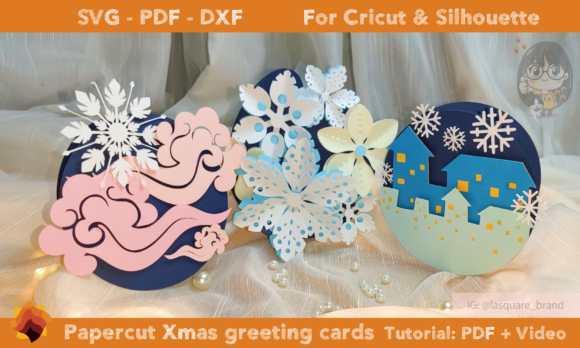
As a blog designer and digital publisher, the first thing that struck me about the 03 Xmas Papercut greeting card templates was their delicate balance between festive charm and modern design. These aren't your average holiday cards—they feel like a curated piece of papercut art brought into the digital age through clean 3D SVG formats. The three included templates—Snowflakes, Snow Sky, and City View—each evoke a different editorial mood, from whimsical to urban-sophisticated, making them versatile for a range of Christmas content themes.
Visually, these templates lean into a lifestyle-focused, seasonal aesthetic that would naturally appeal to niches like home decor, family traditions, DIY crafts, travel, and holiday planning. They’re not overly feminine or childish, but rather elegant and slightly artistic, which gives them broad appeal across different content verticals.
How These Christmas Templates Elevate Real Publishing Workflows
Let’s get practical. When I’m prepping for a holiday content push—whether it’s a blog post about 10 DIY Christmas Cards, a downloadable holiday planner, or a seasonal email campaign—I need design assets that are both flexible and production-ready. The 03 Xmas Papercut greeting card templates fit that bill, especially when converted into blog graphics, Pinterest pins, or social media visuals.
- Featured images with these templates feel fresh and festive, helping articles stand out in a crowded feed.
- Converted into Pinterest graphics, the papercut style adds a handmade touch that can boost click-through rates.
- As newsletter headers, they offer a seasonal lift without overwhelming the message.
- In downloadable resources like holiday printables or gift guides, they reinforce a cohesive visual identity.
- Used as social media previews, they align with seasonal branding and improve shareability.
What’s especially useful is that each template comes with multiple file formats—SVG, PDF, and DXF—which means you can scale them for both print and digital use. The inclusion of a tutorial video is a nice touch for publishers who may not be familiar with SVG editing in Canva or Adobe Illustrator.
Supporting Content Performance with Visual Consistency
In content marketing, first impressions matter, and these templates help create a polished, cohesive look across your holiday content. Whether you're designing a lead magnet or a blog post header, using a unified design asset like this strengthens your brand identity and improves reader trust.
The clean lines and elegant cutouts of the 3D SVGs allow for a strong visual hierarchy, especially when overlaid with text or paired with a complementary color palette. This makes them ideal for creating clickable content thumbnails and category visuals that guide readers through your site intuitively.
For affiliate marketers or digital educators, these templates can be repurposed into holiday-themed product visuals, course landing pages, or limited-time offer banners—making them a valuable graphic design asset for seasonal campaigns.
Where These Christmas Templates Shine Visually
Here are the top spots where I found the 03 Xmas Papercut greeting card templates to be most effective:
- Hero images on holiday landing pages
- Article thumbnails for Christmas-themed blog posts
- Pinterest pins promoting seasonal content
- Blog graphics in gift guides and DIY posts
- Editorial accents in holiday newsletters
- Content upgrades like printables or digital guides
- Category visuals for Christmas content hubs
- Newsletter headers in seasonal email campaigns
- Social media previews for holiday promotions
When to Use These Templates with Care
Despite their versatility, there are situations where these templates might not be the best choice:
- Small mobile thumbnails where detail gets lost
- Text-heavy blog images that need clear background contrast
- Low-contrast backgrounds that make the papercut elements hard to read
- Busy layouts where the design could clash with other visual elements
- Serious professional niches like finance or law where a holiday theme might feel out of place
- Corporate content needing a minimalist or modern design language
- Websites with minimal visual systems that could be overwhelmed by the decorative nature of papercut art
Publisher Notes: Real-World Testing and Optimization
Before publishing with these templates, I always run a few key tests:
- Test on desktop and mobile to ensure clarity and readability
- Preview as a thumbnail to see how it holds up at small sizes
- Place inside a real blog layout to check for alignment and spacing
- Overlay headline text to test legibility and contrast
- Check in black and white to ensure it’s not overly reliant on color
- Pair with different fonts—serif, sans serif, script, and display—to see how it complements typography
- Review file size to avoid slowing down page load times
- Compress images if needed for optimal web performance
- Confirm commercial licensing before using on monetized sites or affiliate content
These steps help ensure that the Christmas-themed design assets not only look great but also function well within a real content ecosystem. It’s one thing to love a design visually; it’s another to know it works seamlessly in your workflow and across your publishing platforms.
Final Thoughts: A Festive Design Asset for Holiday Content Creators
For bloggers, small business owners, and creative entrepreneurs looking to elevate their holiday content, the 03 Xmas Papercut greeting card templates are a smart addition to your digital design toolkit. They offer a seasonal, artistic flair that’s hard to replicate with generic holiday graphics.
Whether you’re creating a Canva template library, designing a lead magnet, or producing a holiday digital guide, these templates give you the flexibility to maintain a consistent, professional look across all your content. And when it comes to content marketing and affiliate marketing, that kind of visual cohesion can make a real difference in how your brand is perceived—and how your content performs.